
Cataracts occur when a normally clear lens becomes cloudy, and vision begins to blur. Symptoms of cataracts include low vision, glare from bright lights, difficulty reading, and low vision at night. When signs of cataracts interfere with your daily routine, your doctor may consider cataract surgery.
Currently, patients can find out about the various types of surgical treatments, such as laser cataract surgery. If you are a patient, learn what you need to know about the LASIK treatment and also exactly how it functions to help you improve vision.
What Is Laser-Assisted Cataract Surgery?
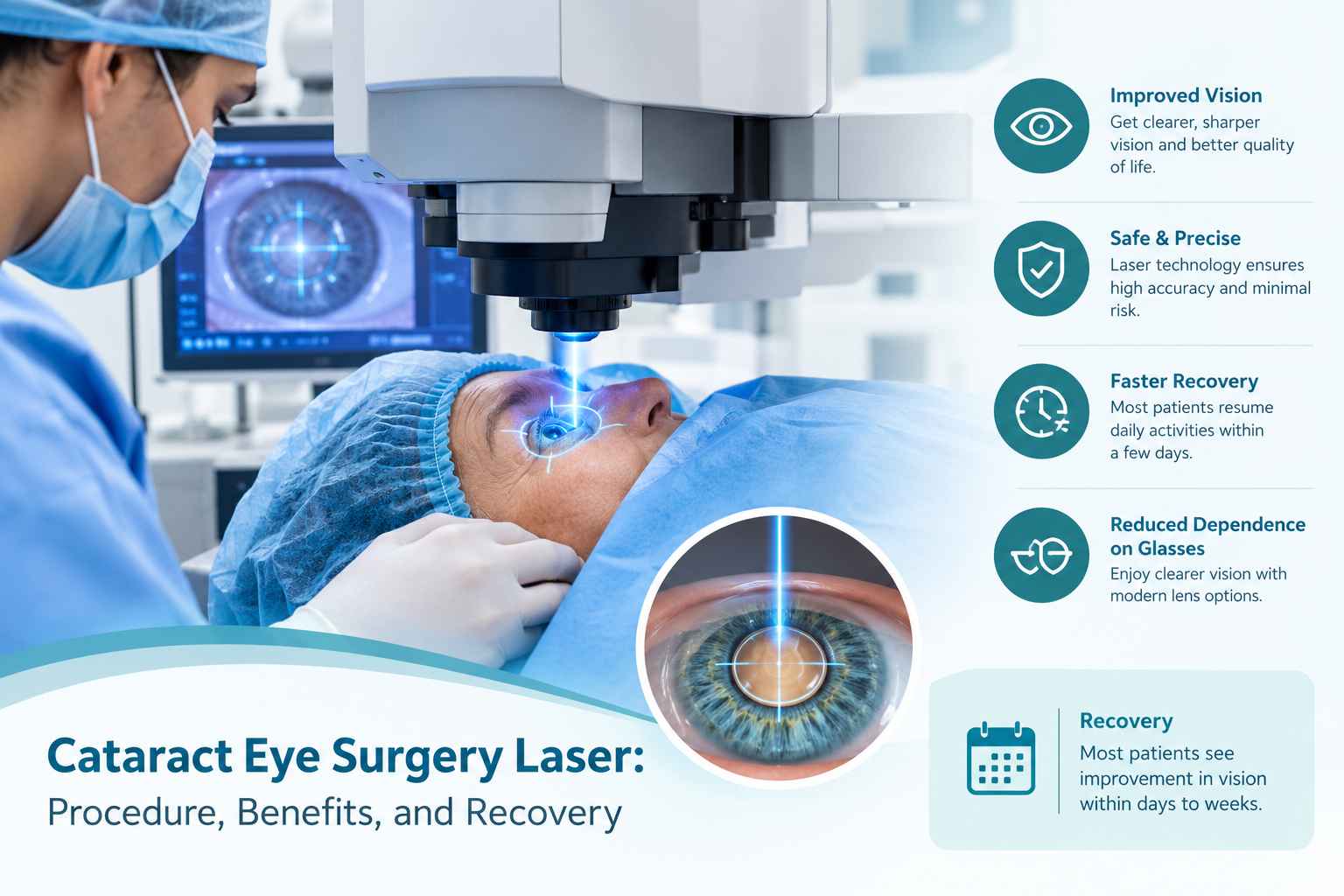
In laser cataract surgery, a laser, specifically a femtosecond laser, may be used to perform some of the steps in the procedure. These may include making incisions, opening the capsule that holds the lens, or softening or breaking up the lens.
Next, the surgeon extracts the cataract-most often using ultrasound-enabled devices-and implants an artificial intraocular lens (IOL) into the eye. A laser will not usually remove the whole cataract on its own, and the procedure is finished with special surgical instruments.
When Is Cataract Surgery Recommended?
Cataract surgery is an option when reading, driving, working, and being able to recognize faces becomes cloudy. Whether it must be carried out or not relies on how big the cataract is and exactly how it's impacting your overall eye health.
The ophthalmologist will do a look at the eyes, take dimensions of the eye, and talk to feasible selections of faux lenses for the affected person. If you're interested in cataract eye surgery, ask your healthcare provider when laser help is best for you.
Possible Advantages of Laser Surgery for Cataracts
Laser may allow certain steps of the operation to be carried out more accurately and reproducibly by the surgeon. In certain cases, it may eliminate the need to use as much ultrasound energy to soften the cataract to enable the lens to be removed.
But laser-assisted surgery is not necessarily better for all patients. It has not proven to give better vision as a whole or avoid complications as compared to standard cataract surgery. Factors like surgeon experience, the eye condition, and the type of lens used will also affect the result.
Ask your eye specialist about the laser treatment advantages, disadvantages, and extra expenses for the cataract eye surgery laser before you decide.
What Happens During the Procedure?
The process generally involves several stages:
1. The surgeon looks at the cataract and measures the eye to help determine the most suitable IOL.
2. The eye is numbed using local eye drops or other forms of anaesthesia to sedate the patient.
3. When suitable, the laser performs some steps, such as making incisions and opening the lens capsule.
4. The surgeon removes the cloudy natural lens with surgical instruments.
5. An artificial lens is placed in the same position as the natural lens.
The specific method depends on the procedure and the patient.
Recovery and Aftercare
Most people go home the same day, though vision may be blurry for several hours while your eye is healing. Recovery varies from one individual to another, and your doctor will give you specific guidance relating to your individual procedure.
For healing:
- Use prescribed eye drops as directed.
- Do not rub or press on your operated eye.
- Attend all scheduled follow-up appointments.
- Refrain from strenuous activities until your doctor has cleared you to participate.
- Observe the guidelines about swimming, bathing, and driving.
Get immediate medical help if you notice any sudden loss of vision, if your eye becomes severely painful or red, or if you experience a sudden increase in flashes or floaters.
Is Laser-Assisted Cataract Surgery Right for You?
The right procedure for you will be determined by your type of cataract, eye measurements, history of eye disease, your visual requirements, and your surgeon's recommendation. Traditional cataract surgery remains a proven and effective treatment.
Be sure to speak with a qualified eye doctor to compare the procedures and learn about the risks and potential outcomes.
Conclusion
Laser-assisted cataract surgery is a computer-controlled laser system that can be used for some of the steps involved during cataract surgery. Laser technology can potentially improve the procedure in some cases but is not required or appropriate for everyone. A comprehensive eye examination and consultation with an experienced eye surgeon can guide your decision regarding the most appropriate treatment plan and length of recovery.