Conventional LASIK
Conventional LASIK involves creating a flap and then using an excimer laser to change the shape of the cornea and fix vision problems. It may be an option for patients with eye measurements and steady vision.

Pioneering Healthcare Assistance Across India
LASIK Eye Surgery in India is a way to correct vision and help people rely less on glasses or contact lenses. At VR Healthy, patients can connect with the best doctors in India, explore expert healthcare services, and get clear information about LASIK eye surgery treatment. They can also learn about LASIK eye surgery consultation, eligibility, recovery, treatment choices, and LASIK eye surgery cost in India.
With the help of modern laser techniques and thorough eye examinations, appropriate candidates can enjoy better vision without glasses or contact lenses.
Get Assistance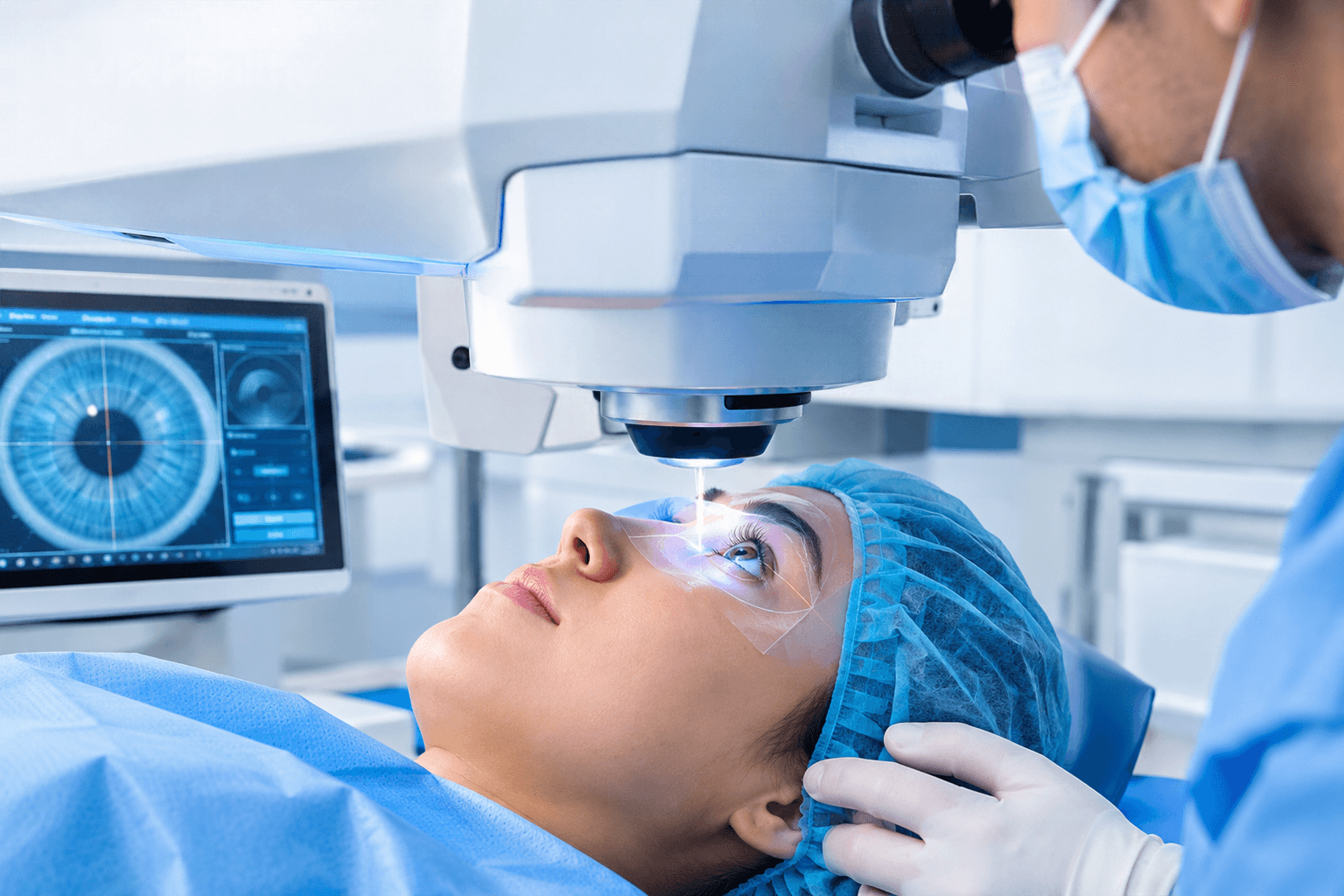
NABH-accredited hospitals
Highly Expert Surgeons
Happy Patients
Cities
The lasik eye surgery treatment involves reshaping the front part of the eye - the cornea. In order to do it, a high-precision laser makes controlled modifications of the corneal tissue in accordance with the patients eye measurements
Before LASIK surgery, the ophthalmologist makes a thorough eye examination to check eye power, corneal thickness, corneal shape, tear film, and eye health.
LASIK treatment can be done using laser technologies based on the patient's eye power, the shape of the cornea, the thickness of the cornea, and the general health of the eye. The ophthalmologist suggests the method after a full eye exam.
Conventional LASIK involves creating a flap and then using an excimer laser to change the shape of the cornea and fix vision problems. It may be an option for patients with eye measurements and steady vision.
Femto LASIK uses a femtosecond laser to make the flap instead of a regular blade. Then an excimer laser is used to change the shape of the cornea based on the patient's prescription and measurements of the cornea.
Topography-guided LASIK uses a map of the cornea to design a more personal treatment plan. It may be suggested when the ophthalmologist feels that a customized treatment for the cornea is needed.
Wavefront-guided treatment uses optical measurements of the eye to help plan the laser correction. It may be considered when the ophthalmologist thinks that this kind of treatment is right.
The type of LASIK technology chosen depends on the measurements of the eye. It should be decided after a full check-up by an ophthalmologist.
There are certain criteria that can be used to evaluate the LASIK eligibility of an adult patient. This procedure is appropriate for people who wish to eliminate their need to wear spectacles or contact lenses.
An eligible candidate for LASIK is a person who:
Some eye diseases and corneal diseases can make alternative vision-correction solutions more relevant
The LASIK eye surgery treatment is planned according to the patient's eye measurements and individual vision-correction requiLrements.
In the LASIK eye surgery consultation, the ophthalmologist examines the patient's eye power, corneal mapping, corneal thickness, eye pressure, tear film, and eye health in general.
The numbing eye drops are applied before the procedure to make the procedure comfortable, and patients generally stay conscious during the procedure.
A laser is used to reshape the cornea according to the measurements of the patient. Based on his/her requirements, the ophthalmologist can suggest technologies such as Femto LASIK or topography-guided laser vision correction.
After the necessary modifications, the corneal flap is carefully placed back, and the eye starts to heal.
For the appropriate candidates, LASIK may bring the following benefits:
The results may be different from patient to patient, so it is very important to set realistic expectations and undergo a proper medical examination.
Patients may start to feel the improvements soon after the procedure; however, there can be some temporary symptoms like dryness, tearing, glare, halos or fluctuations in vision during the early stages of recovery.
In accordance with the condition of your eyes, the ophthalmologist will prescribe you some lubricating eye drops or other medicines. Rubbing the eyes is strictly forbidden for you.
Regular visits to the ophthalmologist are very important for monitoring the healing process and visual recovery.
Modern laser vision correction can be tailored to the specific features of the patient's eyes. Such techniques as femtosecond lasers and topography-guided treatments help to tailor the treatment in accordance with the precise corneal measurements of the patient.
The most appropriate technologies depend on your eye condition, prescription, eye corneal features, and the doctor's opinion.
The LASIK eye surgery cost in India can vary depending on many factors, including the type of procedure, the type of laser, the surgeon's expertise, the clinic or eye center, and the individual eye condition.
Some advanced types of the procedure have a different price than conventional LASIK. During your consultation, the ophthalmologist can explain the expected LASIK eye surgery cost in India according to your recommended procedure and treatment requirements.
| Type of LASIK Procedure | Approximate Cost per Eye (INR) |
|---|---|
| Conventional LASIK | ₹30,000 – ₹70,000 |
| Femto LASIK (Bladeless) | ₹80,000 – ₹1,00,000 |
| Contoura Vision LASIK | ₹95,000 – ₹1,05,000 |
| SMILE | ₹80,000 – ₹1,00,000 |
| Wavefront-guided LASIK | ₹40,000 – ₹60,000 |
LASIK is not right for everyone who wants to reduce their need for glasses or contact lenses. Your eyes undergo a detailed examination before LASIK to ensure the treatment approach matches your individual needs.
LASIK might not be recommended for people who have:
If someone is not a good candidate for LASIK, the eye doctor may suggest other vision correction options based on their eye health and prescription.
Only a qualified ophthalmologist can decide if LASIK is right for a person.
An eye exam before surgery helps the ophthalmologist understand the health of the eyes and whether LASIK is a good fit.
The evaluation can include:
These tests help the ophthalmologist understand the shape of the cornea, the refractive error, tear quality and overall eye health before starting treatment.
Getting ready properly can help the LASIK experience go smoothly. Before the surgery, the ophthalmologist will give instructions based on the patient's needs.
Patients may be told to:
The exact steps for preparation can be different for each person.
LASIK is a well-established procedure of refractive surgery, but, as with any medical procedure, it can include some possible risks or side effects. Some patients may experience some temporary dryness, glare, halos, under-correction, over-correction, or other symptoms of visual disorders.
A thorough LASIK eye surgery consultation helps to identify if you are an appropriate candidate for LASIK, and your ophthalmologist can tell you about the expected benefits, possible risks, recovery, and alternatives.
Choosing a good eye specialist and performing a proper pre-surgical screening are important steps in the LASIK journey. A personalised examination helps to identify the most appropriate treatment in accordance with your individual eye measurements and not in accordance with the popularity of the procedure.
Before undergoing lasik eye surgery treatment, your ophthalmologist will evaluate your eyes and explain the most suitable treatment approach. Your ophthalmologist will examine your eyes, will explain treatment options for you, will talk about the expected recovery, and will give you information about the procedure and its price.
At VR Healthy, patients get help to understand available eye care services, find appropriate ophthalmologists, and understand the expected lasik eye surgery cost in india before proceeding with treatment.
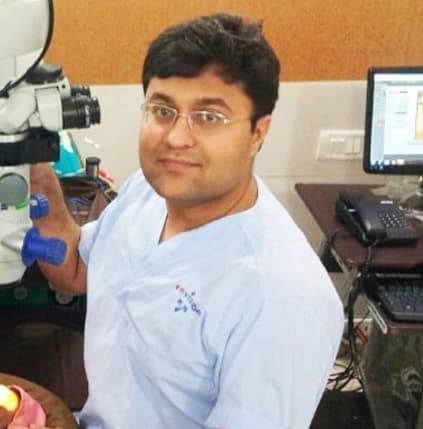
Specialized in Ophthalmology
MBBS - University of Mumbai
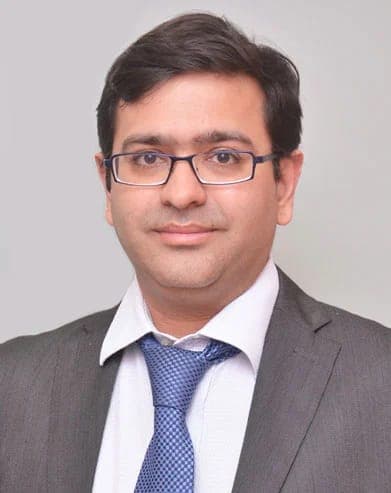
Specialized in Cataract, Cornea, LASIK, and Refractive Surgery.
MBBS – Maharashtra University of Health Sciences
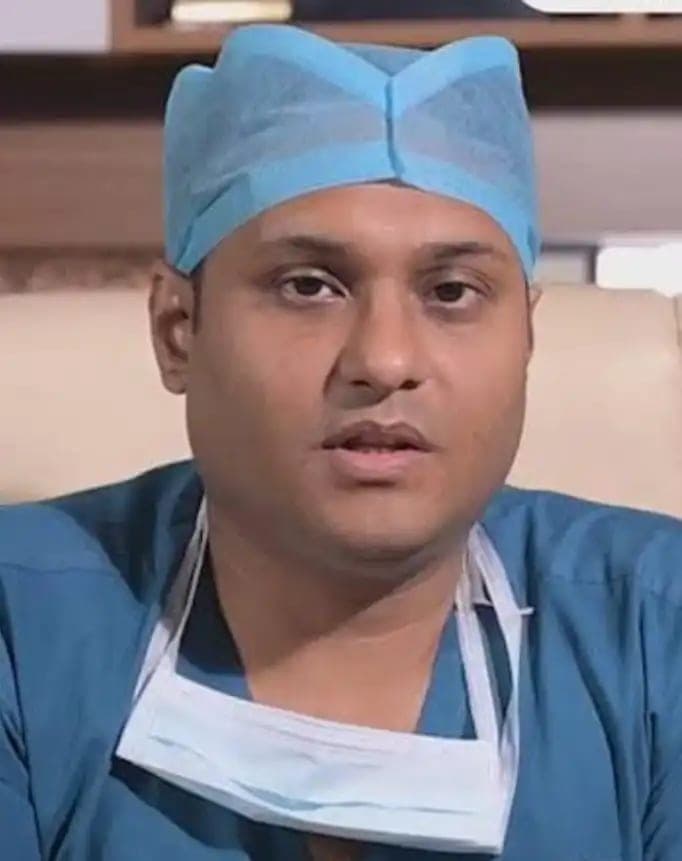
Ophthalmologist/ Eye Surgeon
MBBS – Kasturba Medical College