Glaucoma Surgery Treatment in India: Laser Treatment, Options & Recovery at VR Healthy
Glaucoma refers to a group of eye conditions that may gradually affect the optic nerve, often linked to elevated pressure within the eye. The optic nerve carries visual information from the eye to the brain. If it becomes damaged, vision may gradually worsen. Glaucoma can develop slowly and may not cause noticeable symptoms in its early stages.
When medicines or other treatments are not enough to control eye pressure, glaucoma eye surgery may be an option. The type of surgery depends on the kind of glaucoma and how serious it is. An ophthalmologist might suggest laser treatment, traditional surgery or a mix of both.
At VR Healthy, patients can learn about eye care services. They can also connect with hospitals and ophthalmologists to get help understanding their condition, available treatments, recovery steps, and expected costs.
Glaucoma includes several eye conditions that may cause progressive damage to the optic nerve over time. Most of the time, the condition is linked to pressure inside the eye. Glaucoma can also happen when eye pressure is normal.
There are different kinds of glaucoma. The two main types are open-angle glaucoma and angle-closure glaucoma. Each type has its symptoms and treatment plan.
Because vision loss from glaucoma can be permanent, regular eye exams are important. These exams can help catch the disease and keep track of how the eye is doing.
What Is Glaucoma Eye Surgery?
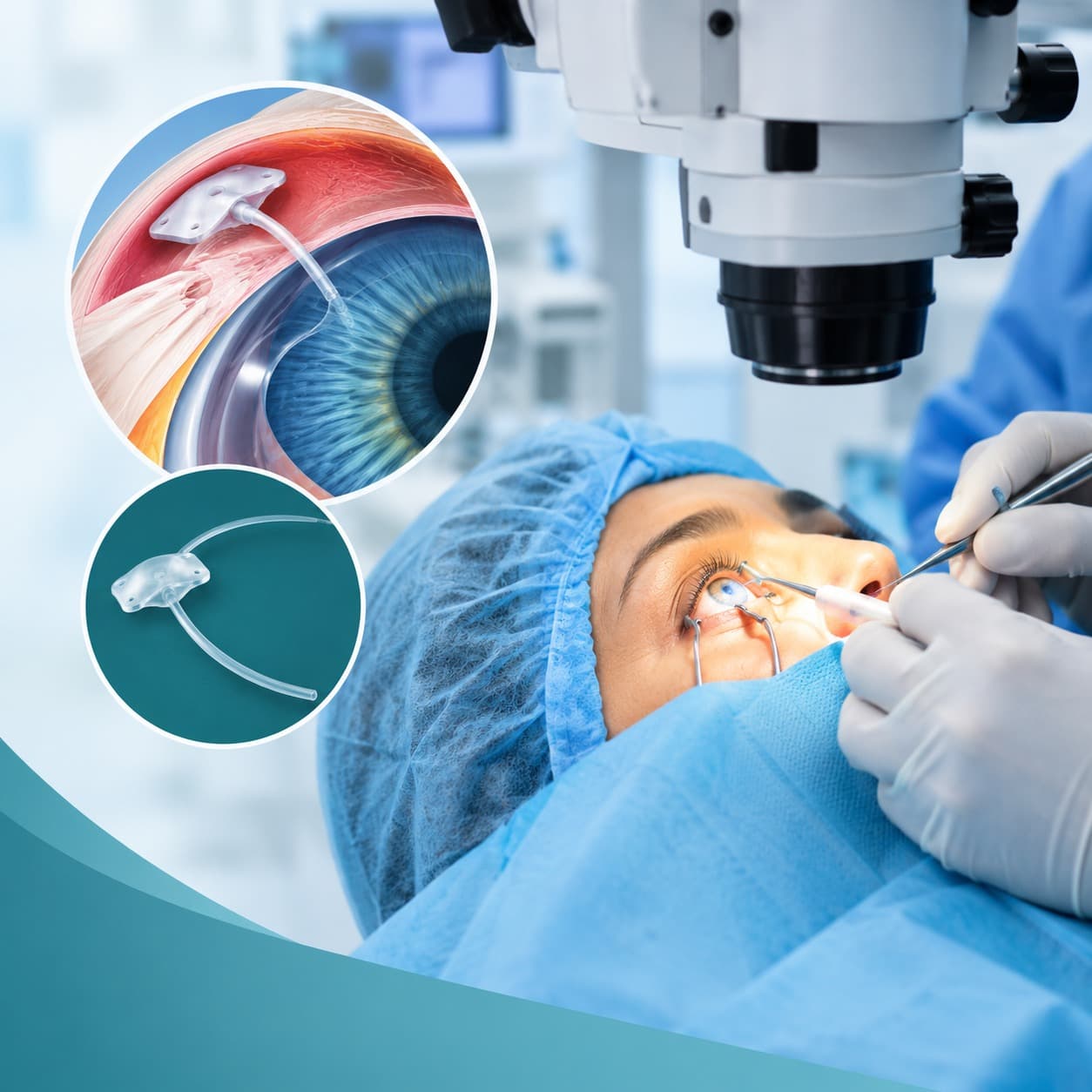
Glaucoma eye surgery is done to help control the pressure inside the eye. It works by improving the way fluid leaves the eye or by lowering the amount of fluid the eye makes. The main goal of treatment is to prevent further damage to the optic nerve.
The type of treatment chosen depends on several factors:
Type of glaucoma
Eye pressure levels
Condition of the optic nerve
Previous treatments
Overall health of the eye
Laser Eye Surgery for Glaucoma
Laser eye surgery for glaucoma includes several procedures. They are designed to help improve fluid drainage or lower eye pressure.
Laser Trabeculoplasty
One common laser treatment is called laser trabeculoplasty. Numbing eye drops may be applied to improve comfort during the procedure. The laser is used on the part of the eye that drains fluid. This helps the fluid move more easily.
Laser Iridotomy
For some people with angle-closure glaucoma, a laser procedure called laser iridotomy might be recommended. This creates a small opening in the iris. It helps fluid flow more freely inside the eye.
When Is Glaucoma Surgery Recommended?
Not every person with glaucoma needs surgery. Treatment usually starts with checking the eye pressure, the optic nerve, the visual field, and other important details.
Surgery or laser treatment might be suggested when:
Eye pressure is still higher than it should be
Medicines are not working well to manage the condition
Glaucoma keeps getting worse
The patient has trouble using the eye drops
The specialist thinks a procedure might help control pressure
How Is Glaucoma Eye Surgery Performed?
The exact method depends on the type of glaucoma and the treatment chosen.
01
Laser Treatment
Laser procedures are usually done using specialized equipment while the patient is awake. Numbing eye drops may be applied before the procedure to help ensure greater comfort.
02
Surgical Treatment
For surgery, the eye doctor improves the way for fluid to leave the eye more easily. In some cases, a small device might also be used to help control eye pressure.
03
Before & Aftercare Instructions
The surgeon will explain the procedure, how to prepare, what to expect and how to recover before the treatment.
Glaucoma Eye Surgery in India
People considering glaucoma eye surgery in India may have treatment choices, including medicines, laser treatments, and surgery. The right treatment depends on the person's condition, not the place.
Before choosing a hospital, patients can talk about:
The eye doctor's experience with glaucoma
Available diagnostic tests
Treatment choices
Hospital support
Follow-up care
What to expect during recovery
Recovery After Glaucoma Treatment
Recovery time depends on the treatment done. After laser treatment, some people might have short-term redness, irritation, blurry vision, or sensitivity to light.
Redness
Irritation
Blurry vision
Sensitivity to light
After surgery, the eye may need time to heal. The eye doctor may prescribe eye drops and provide instructions on eye protection, daily activities, and follow-up visits.
Possible Risks and Things to Think About
Like any medical treatment, glaucoma treatment may involve certain potential risks and side effects. These can vary depending on the procedure and the condition of the eye.
Possible issues might include:
Swelling
Short-term changes in eye pressure
Infection
Bleeding
Vision changes
The specific risks of a treatment should be discussed with the eye doctor before the procedure.
When Should You See an Eye Specialist?
Regular eye examinations are important for people with glaucoma or those who may be at risk of developing it.
Find Glaucoma Treatment Through VR Healthy
Understanding your diagnosis and the options for treatment is a step in planning appropriate eye care. Glaucoma eye surgery may be recommended when additional treatment is needed to control eye pressure and help protect the optic nerve.
VR Healthy helps patients find healthcare services and connect with hospitals and eye doctors. Patients can talk about their diagnosis, laser eye surgery for glaucoma, surgery choices, what to expect during recovery, and long-term eye care with their eye doctor.
If you are looking for glaucoma eye surgery in India, a doctor's visit can help determine which treatment might be appropriate for your condition.
ICL (Implantable Collamer Lens) offers an outstanding solution for high myopia or thin corneas unsuited for LASIK, while Glaucoma management protects the optic nerve from elevated intraocular pressure using laser trabeculoplasty or micro-invasive glaucoma procedures.
Who May Need This Treatment?
Patients with high refractive errors (-8D to -20D) or thin corneas ineligible for LASIK.
Individuals requiring intraocular pressure management to safeguard optic nerve health.